
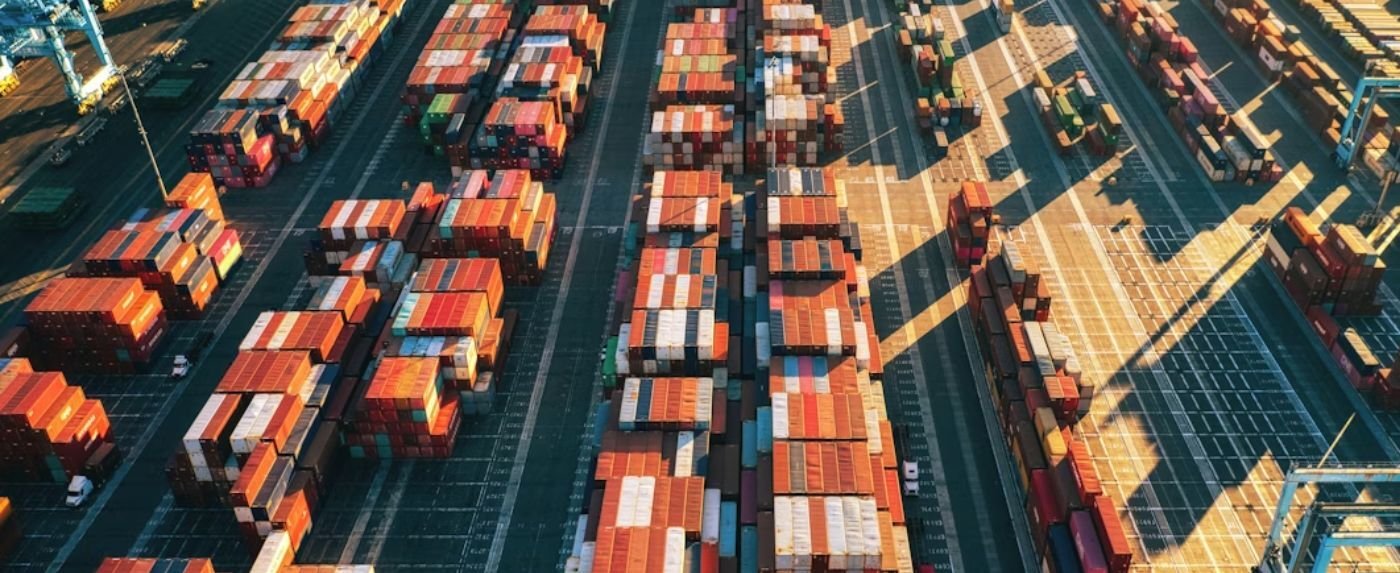
China exports remain a driving force in global trade in 2025, despite declining shipments to the United States and geopolitical uncertainties.
Exports have become central to China’s economy, offsetting weak domestic consumption, slowing investment, and ongoing challenges in the property sector. Strategic trade rerouting, competitive manufacturing, and diversification across global markets have allowed China to maintain record trade surpluses. Analysts note that China exports are critical for industrial output, employment, and sustaining GDP growth amid external pressures.
Table of Contents
ToggleChina Exports to the United States Decline Amid Trade Tensions
Persistent Fall in U.S.-Bound Shipments
China exports to the U.S. fell nearly 29% in November 2025, marking the eighth consecutive month of double-digit declines. These decreases reflect both the lingering impact of U.S. tariffs and ongoing geopolitical tensions. Despite a trade truce in October, tariffs remain high at around 47%, while China maintains tariffs of roughly 32% on American imports.
Key Export Sectors to the U.S.
The primary China exports to the United States include electronics, industrial machinery, consumer goods, and textiles. Over the past year, shipments in these categories have slowed, prompting Chinese exporters to reroute goods to other regions. Analysts indicate that the U.S. now accounts for a declining share of China exports, underlining the importance of diversification.
Illegal Work Crackdown Hits Delivery Riders Across the UK
Effects of Trade Policies
Although China and the U.S. reached a temporary trade agreement, the full impact of tariff cuts and export controls is yet to be realized. The agreement includes partial rollback of tariffs, reduction in export controls on critical minerals, and commitments from China to purchase more U.S. soybeans. However, trade policy constraints continue to influence the flow of goods.
China Exports to Southeast Asia Surge Amid Market Shifts
Expansion in ASEAN Markets
China exports have surged in Southeast Asia, with Indonesia, Vietnam, Malaysia, Thailand, Singapore, and the Philippines experiencing significant growth. In the first nine months of 2025, exports to these countries rose 23.5% compared to the same period last year. This growth nearly doubled the average expansion seen over the past four years, highlighting a strategic shift in China’s trade flows.
Role of Intermediate Goods
A substantial portion of China exports to Southeast Asia consists of intermediate goods used in regional manufacturing before re-export. These products include electronics components, machinery parts, and industrial materials. Such trade strengthens supply chain integration across the region, positioning China as a central player in global manufacturing networks.
Market Dynamics in the Region
Rising consumer demand, logistics efficiency, and regional proximity have further fueled China exports to Southeast Asia. Chinese products now cater not only to end consumers but also to businesses engaged in manufacturing and assembly, enhancing regional economic interdependence.
China Exports to Europe, Africa, and Latin America Strengthen
Growth in European Trade
China exports to the European Union have expanded nearly 15% year-on-year, demonstrating China’s ability to offset weak U.S. shipments. European demand for industrial machinery, high-tech components, and renewable energy equipment has driven this growth.
Expanding African and Latin American Markets
China exports to Africa and Latin America have grown steadily. In Africa, Chinese goods include construction materials, vehicles, electronics, and mobile technology. In Latin America, exports consist of industrial machinery, solar panels, and high-tech equipment. These regions provide alternative markets, reinforcing China exports’ global footprint.
Implications for Global Trade
By strengthening trade with Europe, Africa, and Latin America, China diversifies its markets, reduces dependence on the U.S., and secures long-term trade relationships with emerging economies.
China Exports Contribute to Record Trade Surplus
2025 Trade Surplus Milestone
China’s trade surplus surpassed $1 trillion in the first eleven months of 2025, reaching nearly $1.08 trillion. This is the highest level recorded in a single year and exceeds the $992 billion surplus in 2024.
Role in GDP Support
China exports remain a significant contributor to GDP, compensating for weak domestic consumption and a slowing property sector. Trade surpluses underscore the economy’s reliance on exports to sustain industrial output, fiscal stability, and employment.
Import Trends
China’s imports increased only 1.9% in November, highlighting domestic weaknesses. Lower imports alongside robust exports illustrate the continuing trade-driven growth model of China’s economy.
China Exports in Advanced Manufacturing and High-Tech Sectors
Strategic Focus on Innovation
China exports high-tech goods that are critical for global industrial growth. Key products include electric vehicles, robotics, batteries, and advanced industrial machinery. These exports support both domestic and international markets.
Electric Vehicle Market Expansion
Chinese EV manufacturers, such as BYD, are gaining substantial market share in Southeast Asia. The shift is visible in the decline of Japanese car brands like Toyota, Honda, and Nissan, which have lost dominance in these markets.
Growth Potential
Morgan Stanley projects that China exports could account for 16.5% of global exports by 2030. High-value manufacturing, technological advancement, and efficiency improvements underpin this growth trajectory.
China Exports of Rare Earth Elements and Strategic Minerals
Critical Minerals in Global Supply
China exports rare earth elements that are essential for renewable energy, technology manufacturing, and defense industries. These minerals include gallium, germanium, and other strategic materials.
Export Management
China has implemented export controls and licensing regimes to regulate the supply of these resources. Occasional export bans ensure China maintains leverage in international trade negotiations while continuing to supply key global industries.
NHS England Redundancies and Job Cuts Explained
Global Reliance on Chinese Minerals
Countries such as the U.S., EU members, and Japan depend on China exports of rare earths. This underscores China’s central role in critical global supply chains.
China Exports Policy Support and Trade Diversification
Post-Truce Policy Measures
Following the U.S.-China trade truce, China implemented policies to support exports, including easing export restrictions, committing to U.S. soybean imports, and providing fiscal and monetary stimulus.
Economic Planning for Growth
Xi Jinping-led planning meetings emphasize advanced manufacturing, supply chain integration, and export diversification. These policies aim to sustain China exports and maintain global competitiveness.
Long-Term Strategy
Policy initiatives ensure China can withstand trade volatility while expanding its market share in key regions like Southeast Asia, Europe, and Africa.
China Exports by Country and Regional Diversification
Changing Export Patterns
China exports to the U.S. and Japan have slowed, while shipments to India, ASEAN nations, Africa, and Latin America have increased sharply. Diversification reduces dependency on single markets and mitigates geopolitical risks.
Emerging Market Focus
Many China exports to emerging economies are intermediate goods used in manufacturing, assembly, or regional production. This strengthens supply chain integration and increases regional reliance on Chinese industrial capabilities.
Implications for Global Trade Flows
China’s ability to redirect exports to emerging markets demonstrates its flexibility and strategic influence in global trade.
China Exports in Consumer and Industrial Goods
Product Diversity
China exports include industrial machinery, electronics, high-tech components, consumer durables, clothing, textiles, and specialty goods like durian. The diversity of products supports broad international demand.
Manufacturing Ecosystem Advantage
China’s industrial ecosystem combines efficiency, scale, and innovation, allowing its goods to outcompete local producers. This contributes to sustained growth in global market share for both consumer and industrial sectors.
China Exports and Economic Growth
Export-Driven Growth
Strong China exports offset domestic weaknesses such as declining factory activity and property sector slowdown. Exports have helped maintain GDP growth near 5% for 2025.
Role of the Yuan
Yuan appreciation strengthens household purchasing power, reduces import costs, and supports domestic consumption. Balancing export reliance with domestic growth remains a key economic goal.
Future Growth Outlook
China exports are expected to remain resilient due to market diversification, technological innovation, and policy support. Sustained trade surpluses will continue to underpin economic stability.
China Exports Outlook for 2026 and Beyond
Drivers of Future Export Growth
China exports are projected to grow due to:
- Expansion in Southeast Asia, Europe, Latin America, and Africa
- Advanced manufacturing and high-tech sectors
- Strategic rare earth and mineral exports
- Policy support and trade facilitation
Strengthening Global Influence
China exports will continue to shape global trade flows, integrate supply chains, and increase geopolitical leverage in key regions.
Strategic Considerations
Maintaining a balance between export dependence and domestic consumption will be critical to long-term economic sustainability.
Conclusion
China exports in 2025 have demonstrated resilience despite U.S. market declines and geopolitical uncertainties. Record trade surpluses, strong growth in Southeast Asia, Europe, Africa, and Latin America, and leadership in high-tech and rare earth sectors highlight China’s global trade influence.
Strategic diversification, advanced manufacturing, and supportive policies ensure that China exports remain a cornerstone of economic growth, industrial innovation, and global supply chain integration. The trajectory suggests continued global dominance and influence in international trade for years to come.
FAQs
- What are the main exports of China?
China’s main exports include electronics, machinery, textiles, high-tech components, vehicles, and rare earth minerals. - Who is the #1 export partner of China?
The United States has historically been China’s largest export partner, though shipments have declined as China diversifies markets. - Who is the largest exporter in the world?
China is the largest exporter globally, accounting for a significant share of total world merchandise exports. - What percentage of China’s exports go to the USA?
Approximately 16–18% of China’s total exports are shipped to the United States, though this share has been declining in recent years.