
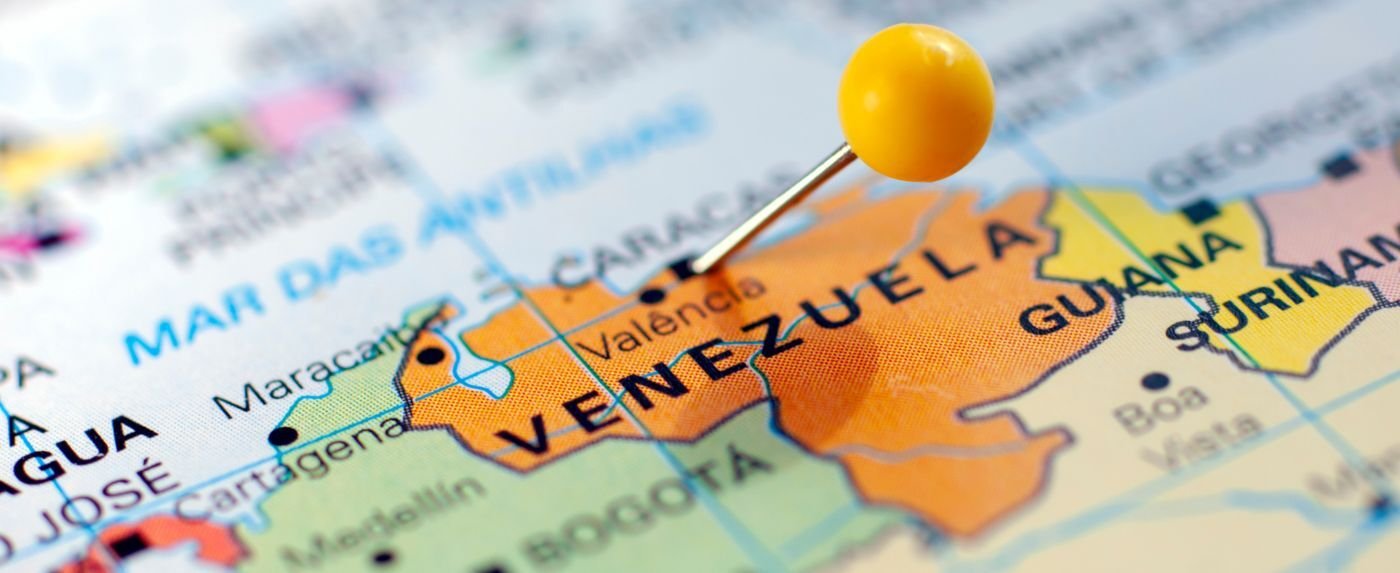
The U.S. initiated a military operation, which was decisive in Venezuela, and President Nicolas Maduro was captured. There were explosions in Caracas in air operations, which translated into a dramatic escalation of tensions after months of tension.
This operation was known as Operation Absolute Resolve, in which the U.S. troops carried out a surprise helicopter attack to capture Maduro and have him appoint interim leadership.
This maneuver is full of stakes and shows increasing pressure on the part of the U.S in the Caribbean and a method of establishing control over the political environment in Venezuela.
Table of Contents
ToggleWhat caused the U.S. military attacks in Venezuela?
This was done following mounting diplomatic and economic pressure on Venezuela. The decision to move was reached after months of tensions, sanctions, and strategic positioning in the Caribbean that put the U.S. military pressure campaign on steroids to stage overnight action.
Russian Spy Ship Yantar Uses Lasers Against UK Military Aircraft
It had been realized that movements by Maduro could be intercepted easily, and this led to the use of targeted air and ground operations. Months before this escalation, it was a planned move to ensure that there were no civilian casualties and the operation was as efficient as possible.
Military strikes Venezuela: The way the operation was carried out
The air operations began in Caracas with explosions when a precise intervention was initiated during the strike. On a surprise helicopter raid, U.S. forces captured Maduro in a very short time and handed him over to a U.S. federal court in New York.
The operation was mainly a show of speed in execution, and this underscored how the U.S. military pressure campaign had worked in the Caribbean.
Trump explained that the U.S is in control of the interim in Venezuela, and this was an indication of putting new leadership and an interim president in power. Operation Absolute Resolve was tactically accurate and strategically ambitious.
How did the capture of Maduro go?
This operation was done through aerial surveillance, coordinated helicopter insertions, and fast ground deployments. There were explosions in the Caracas air operations, which were aimed at disorienting loyalist forces.
This multi-pronged action enabled the U.S. troops to take over Maduro within the shortest time possible with minimal opposition and smooth power transfer.
How did the law and international responses react?
The international response to the U.S. military response was swift and divided. Sovereignty and legalities of intervention were brought up by various nations that were questioning the validity of unilateral military intervention.
The issue of the legality of operation became heavily contested in the international arena, pointing out the conflict between sovereignty and the purported necessity to reinstate democratic control.
What are the intentions of the U.S. regarding Venezuela?
The U.S. exercises its supervision on Maduro by the interim government since he is in custody. Venezuela has a new leadership and an interim president whose mandate is to bring stability in governance.
The increasing pressure of the U.S. at that time and the overnight attack reflect a commitment to make sure that control was achieved, counterattacks were eliminated, and security was guaranteed in the process of transition.
Conclusion
Military attacks on Venezuela by the U.S. military are a historic event that reformed political domination in Caracas.
President Maduro was also arrested by the operation, which was named Absolute Resolve, and there were explosions witnessed in Caracas during air operations. And this shows how effective the operation was.
U.S. aggressiveness is the topic of Maduro’s transfer to a U.S. federal court in New York and statements that the U.S. is taking charge of the interim control in Venezuela.
International intervention is still debated because of legal and sovereignty issues that are related to the greater issue of unilateral military actions.
The unexpected helicopter attack, the development of events after several months of conflicts, and the aftermath formation of a new leadership are a turning point.
Reactions of the rest of the world to U.S. military action highlight the multifaceted outcomes of intervention, and the U.S. military pressure campaign in the Caribbean is something that guarantees constant operational monitoring and stabilization of the situation in the area.
FAQs
Q1. What did the U.S. military strikes in Venezuela accomplish?
The main aim was to take President Maduro into custody and set up an interim government to bring stability to the state.
Q2. What is Operation Absolute Resolve?
The U.S. military action of targeted air and ground strikes to seize Maduro was called Operation Absolute Resolve.
Q3. How did Maduro find his way to the U.S?
Maduro was captured and then taken to a U.S. federal court in New York to be tried.
Q4. Did it involve any international issues?
Yes, there was the issue of legal and sovereignty of the intervention, and this involved the global debate over whether the operation was legitimate or not.
Q5. So what is the new U.S. plan in Venezuela?
The U.S will assist the new leadership and interim control with the provision of security and stability of politics.